
Whether you’re pruning fruit trees, building a raised garden bed, or fixing irrigation pipes, the tool you choose shapes your results. For beginners, the sheer number of cutting implements can feel overwhelming. But learning the main types of cutting tools transforms frustration into confidence and projects that once felt daunting become enjoyable, efficient, and safe. This guide walks you through the major categories, materials, and tips so you can choose the perfect tool every time.
What Are Cutting Tools and Why Do They Matter?
Cutting tools are any implements designed to remove, slice, or shape material. They range from small hand-held pruners to industrial saws. For gardeners and DIYers, understanding the types of cutting tools is essential for:
- Making faster, cleaner cuts.
- Reducing strain on hands and wrists.
- Extending the life of your materials (and your tools).
- Staying safe and in control of your project.
Types of Cutting Tools for Different Materials
Metal Cutting Tools: Strong and Precise
When you’re working with fences, trellises, or metal frames for your greenhouse, you’ll need durable metal-cutting tools. Common types of cutting tools for metal include:
- Drills – Create clean holes in metal stakes or brackets.
- End Mills – Shape custom brackets on milling machines.
- Lathes – Rotate a workpiece while cutting away material; handy for turning handles or metal fittings.
- Saw Blades – Cut through pipes, rods, or metal sheets.
These are usually made of high-speed steel, carbide, or ceramics to withstand heat and friction. For a gardener building structures or repairing metal supports, having the right metal cutting tool saves time and prevents damage.
Wood Cutting Tools: Perfect for Garden Projects
From building raised beds to making decorative trellises, wood is a staple material in gardens. Popular types of cutting tools for wood include:
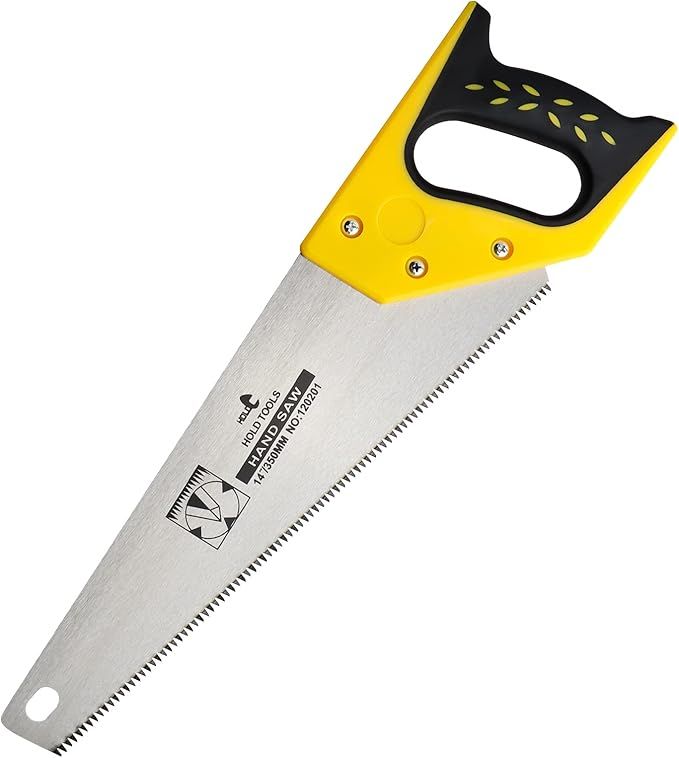
- Hand Saws – Simple, budget-friendly for cutting stakes, planks, or branches.
- Circular Saws – Fast, straight cuts on large boards.
- Chisels – Carve notches or decorative patterns.
- Router Bits – Hollow out or shape wooden surfaces.
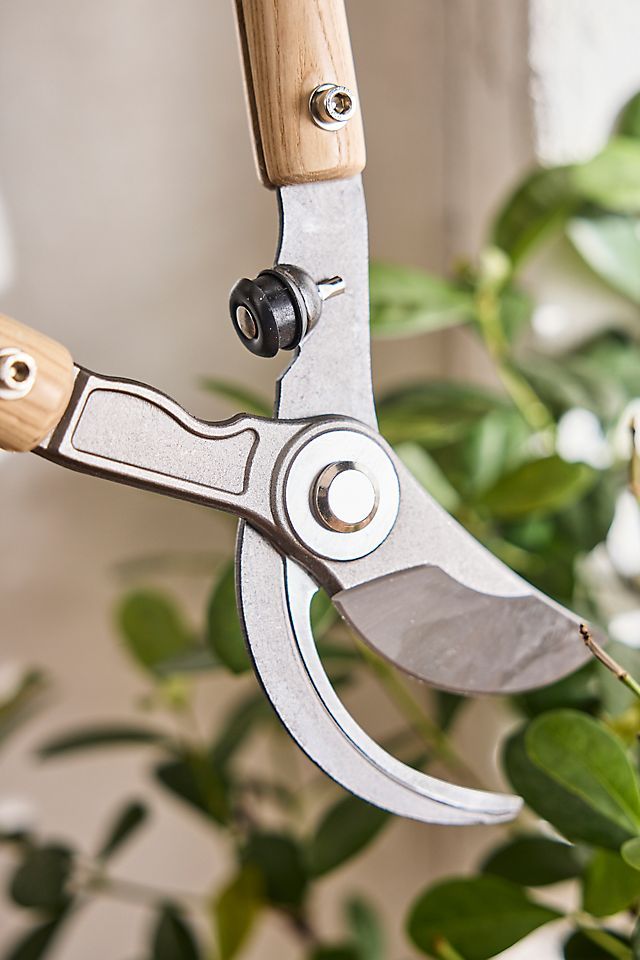
For gardeners, this category also covers pruning saws, loppers, and branch cutters indispensable for tree and shrub care. Choose lightweight, ergonomic tools to reduce fatigue during long sessions. Read more.
Plastic and Composite Cutting Tools: Clean Cuts Every Time
Modern gardens use plastic pipes for irrigation, composite panels for edging, and fiberglass rods for plant supports. These require specialized types of cutting tools:
- Abrasive Blades – Reduce heat and friction while slicing through plastic pipes.
- Diamond-Coated Tools – Tackle tough composites like reinforced boards.
- Ultrasonic Cutters – Use vibrations for super-precise cuts without cracking.
Beginners will appreciate how these tools make trimming irrigation pipes or shaping greenhouse panels quick and frustration-free.
Saws: Versatile Types of Cutting Tools for Gardeners and DIYers
Saws deserve their own spotlight. They come in many forms to handle different tasks:
- Rip Saws – Cut wood along the grain for frames or posts.
- Crosscut Saws – Cut wood across the grain for smooth ends.
- Back Saws – Reinforced for precision cuts, great with miter boxes.
- Coping Saws – Perfect for curved cuts in trellises or décor.
- Circular Saws – Power saws with spinning toothed blades for straight cuts in wood or plastic.
- Table Saws – Mounted saws for accurate, repeatable cuts when building multiple pieces.
- Miter Saws – Create perfect angled cuts for trim or framing.
- Scroll Saws – For intricate curves or patterns.
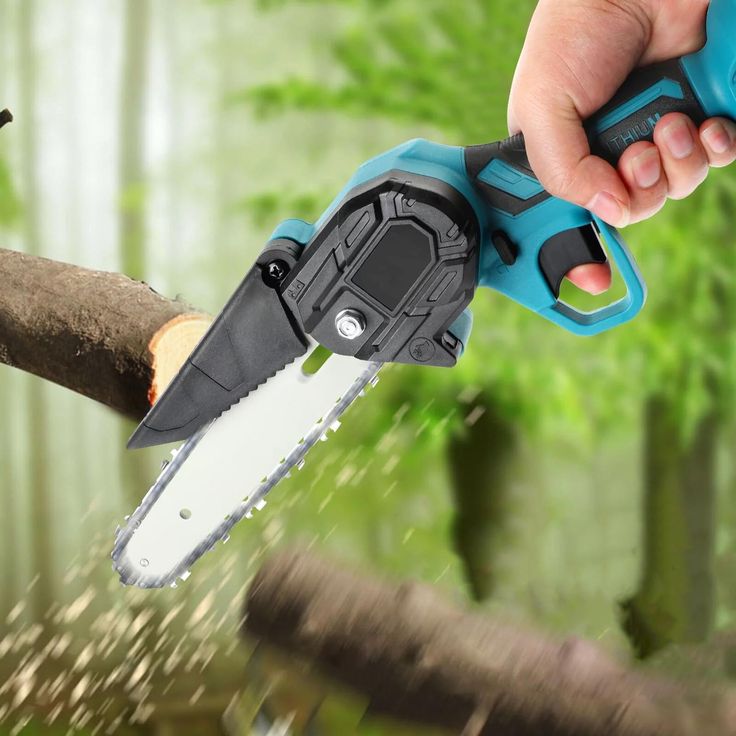
- Chain Saws – Essential for cutting trees, branches, or logs in the garden.
By matching the saw to the material and cut you need, you’ll save energy and end up with neater results.
Specialized Types of Cutting Tools for Specific Jobs
Some tools don’t fit neatly into one material category but are invaluable in a garden workshop:
- Twist Drills – For making pilot holes in wood, metal, or plastic.
- TCT Hole Cutters – Cut clean, round holes in panels or boards.
- Chop Saws – Fixed saws for heavy lengthwise cuts.
- Milling Cutters – Shape or slot materials on a milling machine.
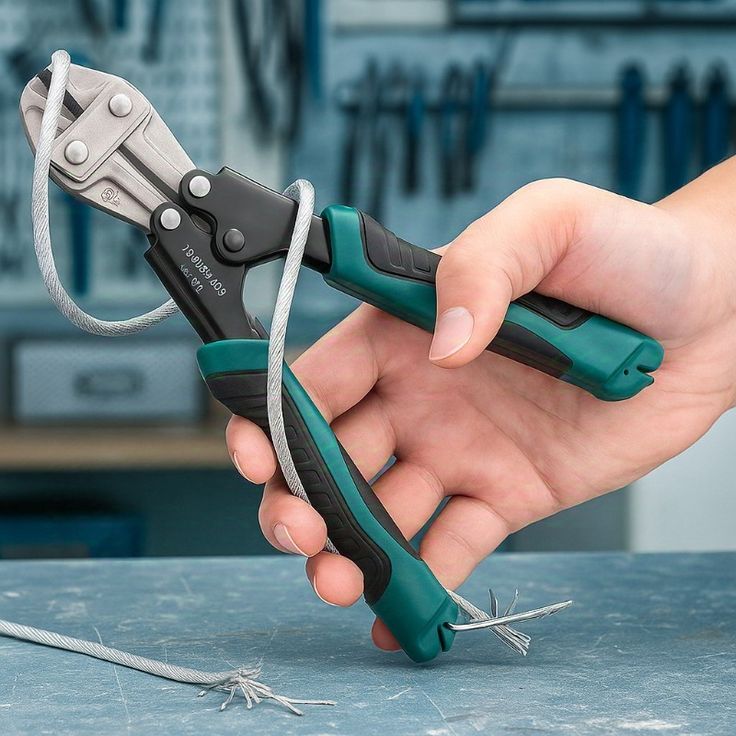
- Bolt Cutters – Cut wire fencing, bolts, or padlocks.
- Tin Snips – Trim sheet metal or roofing panels for sheds.
For a beginner, adding one or two of these specialized tools can expand the kinds of projects you can tackle.
Materials Used in Cutting Tools: Why They Matter
The durability and performance of a cutting tool depend on what it’s made of:
- High-Speed Steel (HSS) – Versatile and affordable; good for general tasks.
- Carbide – Extremely hard and wear-resistant; perfect for heavy use.
- Ceramics – Withstand high heat and abrasive materials.
- Diamond-Coated – Ideal for hard composites, stone, or tile.
- Coated Tools – Reduce friction and prolong edge life.
Understanding these materials helps beginners invest wisely and avoid tools that dull too quickly.
How to Choose the Right Types of Cutting Tools: Tips for Beginners
- Match Tool to Material – Use wood saws for timber, abrasive blades for plastic, carbide-tipped blades for metal.
- Think Ergonomics – Look for comfortable grips and lighter weight if you’ll use it for extended periods.
- Plan for Maintenance – Sharpen edges regularly, clean after use, and store properly to extend life.
- Prioritize Safety – Wear gloves and goggles; follow the manufacturer’s guidance.
These tips ensure you’ll get cleaner cuts, protect your investment, and reduce injury risk.
Practical Garden Examples: Putting Types of Cutting Tools to Work
- Pruning & Tree Care – Use hand pruners, loppers, or a chain saw for thicker branches.
- Building Raised Beds – Circular saw for planks; chisel or router bit for decorative edges.
- Installing Irrigation – Abrasive blade or diamond cutter for plastic pipes.
- Fence Repairs – Bolt cutters for old wire; drill for new posts.
Thinking through your project before you start will make your tool selection obvious.
Comparison Table: Popular Types of Cutting Tools for Gardeners
| Tool | Best For | Key Benefit |
| Hand Saw | Wooden stakes, small boards | Affordable, simple |
| Circular Saw | Large boards | Fast, straight cuts |
| Pruning Saw / Chain Saw | Tree branches | Quick, clean cuts |
| Abrasive Blade | Plastic pipes | Reduces melting |
| Bolt Cutters | Wire fencing | Cuts cleanly without fraying |
Enjoy safer, smarter projects with the right types of cutting tools.
Using the right cutting tool can transform your garden projects from stressful to satisfying. In this guide we explored the main types of cutting tools from metal, wood, and plastic cutters to saws and specialized equipment.
As a garden enthusiast or beginner, investing in quality tools, matching them to your task, and maintaining them properly will reward you with cleaner cuts, safer work, and projects you can be proud of. Start by identifying the tools you use most often and upgrade them first your hands, back, and garden will thank you.
